
Marathon County Divorce Decree Records
When you need a Marathon County Divorce Decree, the cleanest path starts with the public case trail and the county clerk's file. WCCA can narrow the search, and the circuit court record can confirm which case belongs to Marathon County before you ask for a copy. That matters because a decree is not the same as a certificate, and the same names can appear in more than one family matter. A steady search begins with the names, filing year, and county, then moves from the online index to the court file without a guess.
Marathon County Divorce Decree Records
Wisconsin Circuit Court Access gives Marathon County users a public look at circuit court cases. The information shown is an exact copy of the case information entered by court staff, so it is a dependable first step when you need a Divorce Decree record. You can search by party name, business name, or case number. You can also narrow the result by county, case type, filing date range, and case status. That is helpful in Marathon County because the search can be broad at first, then tight once you know the filing year.
WCCA shows the case number, filing date, party names, judge assignment, and a docket trail of hearings and filings. It does not provide full-text document downloads. It also leaves out sealed, expunged, juvenile, and pre-judgment paternity cases. Financial disclosure documents are generally not accessible online. Cases filed before about 2000 may have limited electronic detail. For Marathon County, the portal is a locator, not the final copy source.
That distinction matters because a public entry can confirm that a case exists without showing the final signed order. If the docket line looks right, the county clerk of circuit court can use the names and date range to find the right file. If the search turns up several possible matches, keep the county filter set to Marathon County and use the record details to separate the divorce from other civil matters.
Marathon County Divorce Decree Search
A strong Marathon County Divorce Decree search starts with the details you already know. Full names are best, but a partial name and an approximate filing year can still get you moving. If you have the case number, use it. If not, keep the county filter on Marathon County and narrow the case type to civil matters, since divorce cases sit there in the public index. That simple shape often cuts the noise fast and helps you avoid a long list of unrelated records.
The search result can tell you more than many people expect. You may see the filing date, the case status, the judge assigned to the matter, and a docket trail that shows hearings or later filings. That is enough to tell you whether the case looks active, closed, or still waiting on a later entry. It is also enough to avoid a blind request at the courthouse. If the case summary does not match, keep looking before you ask for a copy of the Marathon County Divorce Decree.
Public access is not document access. A useful result still stops short of the signed decree, and older files can be thin. That is why the county search and the clerk request belong together. The first gives you the path. The second gives you the actual court order.
Marathon County Divorce Decree Forms
The statewide forms page at Wisconsin Circuit Court Forms is the best source for the papers that build a Divorce Decree file in Marathon County. It includes the Petition for Divorce, Summons and Petition, Financial Disclosure Statement, Marital Settlement Agreement, and Judgment of Divorce. Those forms matter because they are the pieces that move the case toward a final order, and they keep the filing packet aligned with Wisconsin court practice.
The forms page fits the statute that controls the divorce action. Wis. Stat. ch. 767 covers actions affecting the family, including divorce, so the filing packet and the final judgment both sit inside the same legal frame. If you are reading a Marathon County docket, that chapter helps explain why the forms are arranged the way they are. If you are filing on your own, it helps you avoid an outdated packet or the wrong form number.
The Wisconsin eFiling System matters in Marathon County because a Divorce Decree case often moves through the electronic filing path before the clerk issues the final copy.
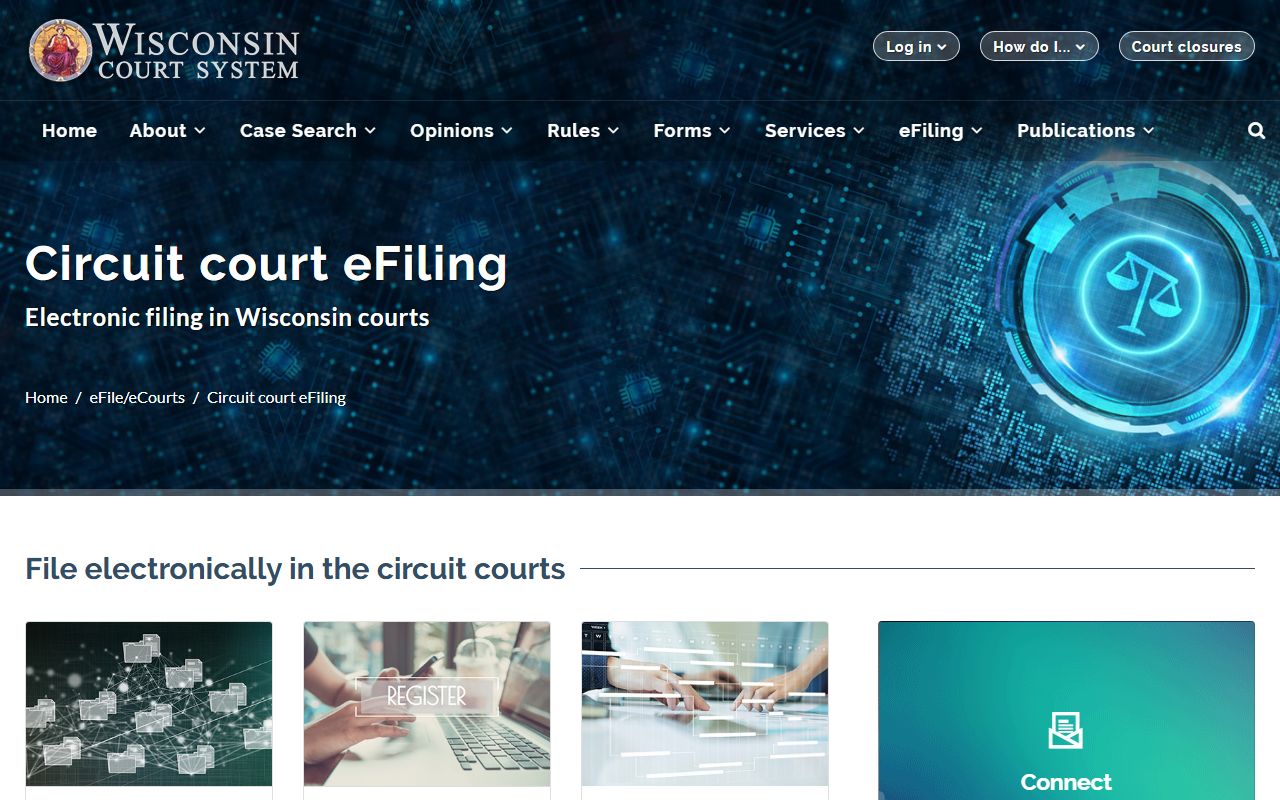
After the filing path is set, the circuit court forms page keeps the paperwork tied to the county file and to the judgment that follows. That makes it easier to track the case from the first filing through the final decree.
If the file also includes other family issues, the forms page helps you tell a petition from a judgment and a disclosure form from a settlement agreement. That is useful in Marathon County because a clean paper trail makes the final Divorce Decree request much easier to process.
Marathon County Divorce Records
A Marathon County Divorce Decree copy request is shaped by Wis. Stat. ch. 814. That chapter controls copy and search fees, so it is the place to check when you need a certified copy, a plain copy, or a clerk search because the case number is missing. The fee rules are separate from the divorce filing itself, and they are separate from the certificate process. That distinction matters because the decree comes from the circuit court file, while the certificate follows the vital records route.
The Wisconsin Vital Records Office explains that divorce certificates are maintained from October 1907 to the present, but the office does not keep divorce decrees. Those decrees stay with the Clerk of Circuit Court in the county where the divorce was granted. For Marathon County users, that split is the key to avoiding the wrong office. A certificate can confirm the event, but the county decree is the record that carries the court's wording.
Since January 1, 2016, any Wisconsin Register of Deeds office can issue a divorce certificate for an eligible divorce that occurred on or after that date. That is handy when you only need proof of the divorce. It is not enough when you need the judgment terms, the property split, or the custody language. In that case, keep your focus on the Marathon County Divorce Decree file and ask the clerk for the actual court copy.
Note: A clear case number or filing year will usually save time when you ask Marathon County for a Divorce Decree copy.
Marathon County Divorce Help
The Wisconsin State Law Library is a good place to slow down when a Marathon County Divorce Decree search gets messy. The library offers free legal research help, guides for court records, and tools for reading docket entries. It also has a guide for understanding the Wisconsin Circuit Court Records website, which is useful when a search result looks right but the filing history is hard to follow. That kind of help can keep the request pointed at the right record.
The law library also helps connect the records tools to the statutes. Wis. Stat. ch. 767 frames the family case itself, while Wis. Stat. ch. 814 controls the fee side of the copy request. When those pieces stay separate in your mind, the search is easier to manage. You know which portal to use, which form set to review, and when the county clerk is the office that can give you the signed decree.
Marathon County searches often turn up more than one possible result when the names are common. The law library can help you compare the docket lines, check the filing year, and decide which Divorce Decree file to request next. It does not replace the clerk, but it can make the clerk request much sharper.