
Brown County Divorce Decree
Brown County Divorce Decree searches begin with WCCA, but the certified copy still comes from the county clerk of circuit court. That simple split keeps the search focused. The public site shows the case summary and docket trail, while the Brown County court file holds the decree that people usually need for a bank, a title company, or another court. If you only need to check a filing, the online record can help fast. If you need the signed order, the county office remains the real source.
Brown County Divorce Decree Records
Wisconsin Circuit Court Access is the first public tool most Brown County users should try. It gives access to circuit court case information entered by court staff and posted as a public record summary. You can search by party name, business name, or case number, then narrow the field with county, case type, filing date range, and status filters. For a Brown County Divorce Decree search, that is enough to confirm whether a case exists and where it sits in the court timeline.
WCCA is useful, but it is not a full file cabinet. The portal shows docket information and case details, yet it does not offer full-text document downloads. Sealed files, juvenile cases, pre-judgment paternity matters, and expunged cases are excluded. Older Brown County records may also be incomplete online, especially for filings before about 2000. The system updates hourly when it is running normally, so recent entries can lag a little after filing.
That makes Brown County Divorce Decree research a two-step job. Use the portal to identify the case, then use the clerk office for the certified decree copy if you need an official version. The public record helps you avoid guesswork, and the county file gives you the document that proves the divorce was entered.
Brown County Divorce Decree Search
A Brown County Divorce Decree search can start with nothing more than one spouse name and a rough year. If the name is common, the county filter and status filter matter. If you have the case number, use it. The WCCA summary will show the case number, filing date, party names, judge assignment, and a running list of hearings and filings. That is often enough to tell you whether the case is active, closed, or ready for a records request.
Because Brown County users do not get full scanned files from WCCA, the search result is best treated as a locator. It tells you where the divorce decree lives in the county system. It does not replace the decree. If the docket shows a final judgment but not the document itself, that is normal. The court access site is a guide to the file, not the final record.
Brown County may use the same statewide tools as every other county, but the local request still matters. Brown County searches are cleaner when you bring the exact names used in the case and the best date clue you have. That gives the clerk a better shot at finding the decree without extra back-and-forth.
Note: Brown County WCCA results are helpful, but the clerk of circuit court is the office that issues certified decree copies.
Brown County Divorce Decree Forms
Brown County divorce work follows Wis. Stat. ch. 767, the Wisconsin chapter that covers actions affecting the family. The statewide forms page at Wisconsin Circuit Court Forms is the main source for the paperwork that supports a divorce filing. There you can find the Petition for Divorce, Summons and Petition, Financial Disclosure Statement, Marital Settlement Agreement, and Judgment of Divorce forms that fit the Brown County case process.
The forms page helps Brown County users because it keeps the filing language consistent across counties. You can browse by case type or search by form number. That makes it easier to tell whether you are looking at a petition, a disclosure form, or the final judgment. The forms are part of the case file path, but they are not the same thing as the certified decree copy issued after the case is finished.
People often mix up the court paperwork with the court order. In Brown County, that mix-up is easy to fix if you separate the filing stage from the copy stage. Use the forms page for the papers, WCCA for the public case view, and the clerk office for the signed decree.
Brown County Divorce Decree Copies
Copy fees and search fees come from Wis. Stat. ch. 814. In Brown County, the exact cost depends on whether you ask for a certified copy, a plain copy, or a file search. A certified copy is the version most people want when the decree will be used for an official purpose. It comes from the clerk office, not from the public search site.
The Wisconsin Vital Records Office page helps Brown County users separate certificates from decrees. The state office keeps divorce certificates from October 1907 to the present, but divorce decrees stay with the Clerk of Circuit Court in the county where the divorce was granted. The page also explains that statewide issuance began on January 1, 2016 for eligible certificates, and that applicants need proper identification and the right fee. That matters when you are comparing a divorce certificate request with a Brown County Divorce Decree request.
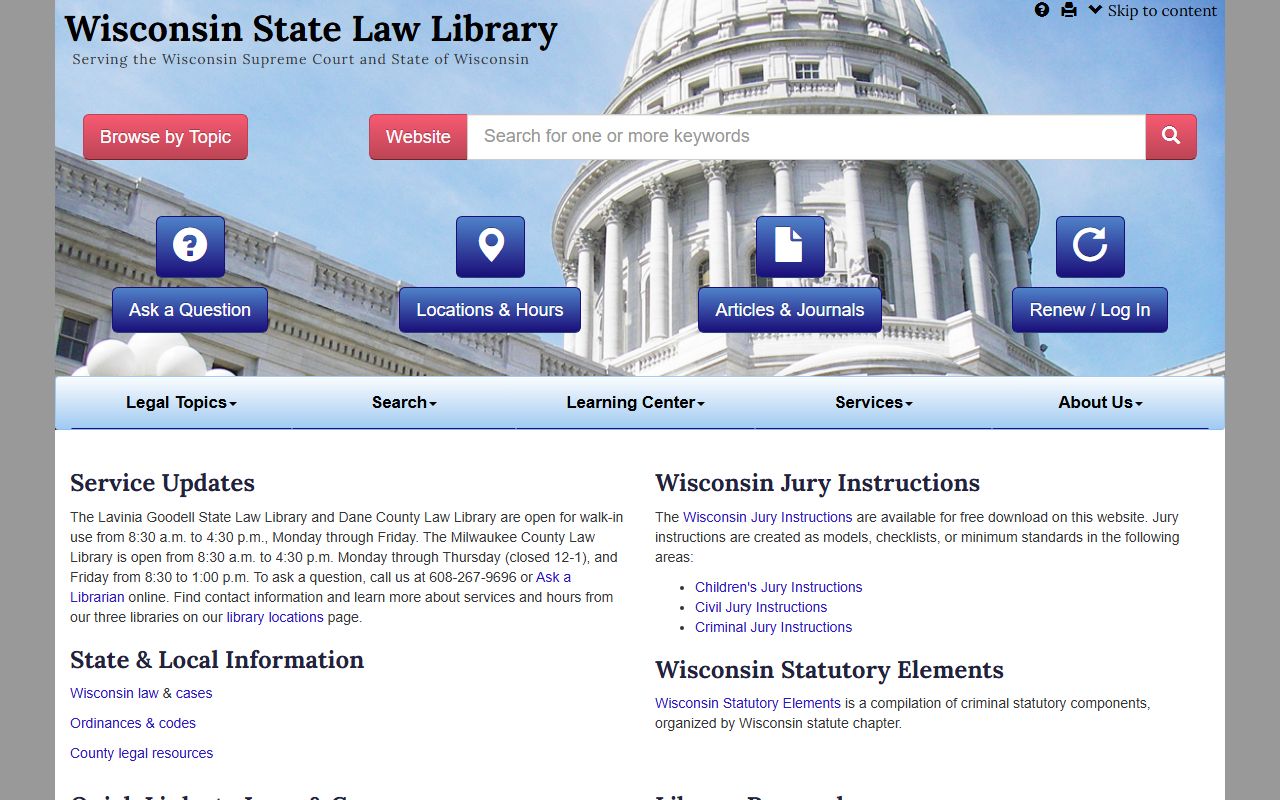
The state law library image and guidance help keep Brown County research on track. Many users start with a docket search, then need help reading what the docket means. The law library page explains how to use the circuit court records website, where to find county rules, and how to track down legal research support without asking the clerk for legal advice. That makes the image a useful bridge from the online record to the real court file.
If you know the case number, include it with your request. If you do not, send the spouse names and a filing year range. Brown County clerk staff can then match the request to the right court file and return the decree copy without extra delay.
Brown County Records Help
The Wisconsin State Law Library is a solid support source when Brown County Divorce Decree research needs a second look. The library provides guides on WCCA, links to local court rules by county, and help with statutes, case law, and other research material. It does not give legal advice, but it can help you understand what a docket entry means and where the next step should go.
That matters in Brown County because the public case view can leave out the document you actually need. A docket may show hearings, filing dates, and a final status, yet the signed decree is still in the county court file. The law library helps you bridge that gap. It can also point you to the right chapter language in Chapter 767 and the fee rules in Chapter 814.
For Brown County users, the clean path is simple. Search WCCA, check the case details, review the forms if the filing papers are unclear, and then request the certified decree from the clerk. That is the fastest way to move from a public case summary to an official court copy.